
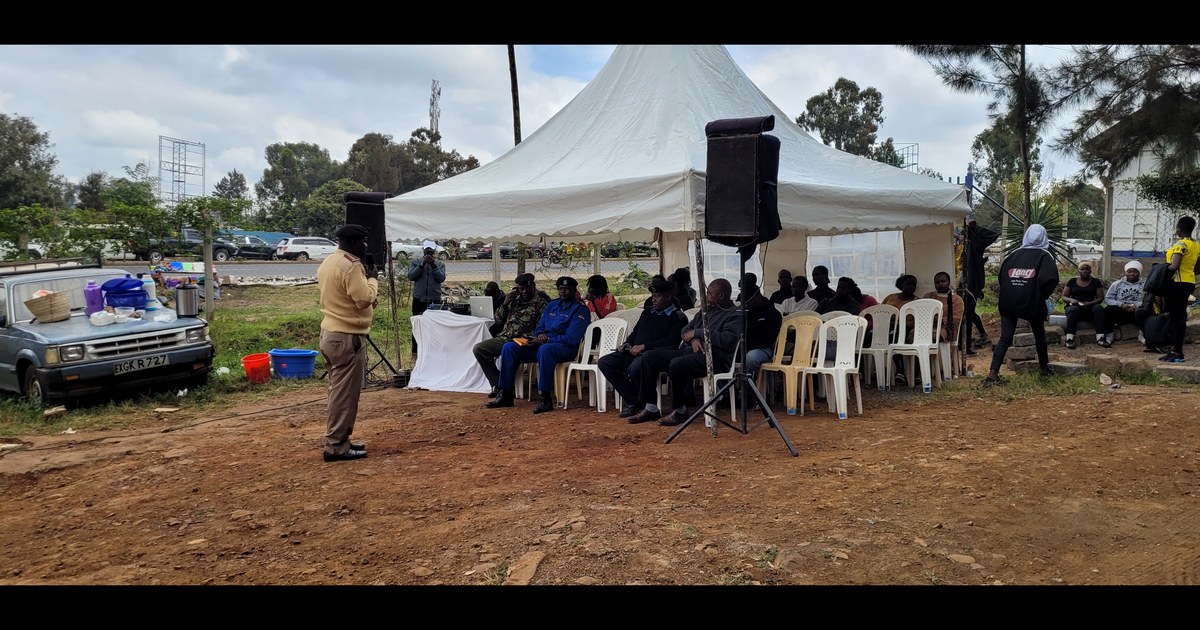
Being invited to a meeting is different from helping decide its agenda. A CBO may be asked to mobilise residents after a project has already been designed, leaving little opportunity to question its priorities or explain what participation will cost.
Community knowledge should influence a partnership before delivery begins. Local organisations can help identify language needs, practical barriers and questions that a proposal might otherwise overlook. That contribution deserves recognition and a place in decision-making.
Agree the relationship early
Partners should discuss who defines the problem, controls the budget, approves changes and speaks publicly about results. Put responsibilities, payment arrangements and reporting expectations in writing. Agree what will happen if funding is delayed or the project changes direction.
A CBO should be able to disagree without fearing that every future opportunity will disappear. A useful agreement includes a route for resolving concerns and a realistic exit process if the partnership no longer serves its purpose.
Make community participation possible
Ask residents what would help them take part rather than assuming one meeting format works for everyone. Depending on the setting, useful changes might include accessible venues, understandable materials, suitable meeting times or interpretation. Budget agreed participation costs instead of treating attendance as costless.
After a consultation, explain what was heard, what changed and which suggestions could not be adopted. Protect contributors' identities where needed. Do not present attendance or silence as endorsement.
Build cooperation between CBOs
Organisations can share appropriate learning, coordinate public discussions and make referrals with clear boundaries. Cooperation should not require pooling confidential participant records or surrendering each group's independence.
Before accepting a new partnership, ask: what can our organisation and the community actually influence? A clear answer helps distinguish a working relationship from a request to supply names, attendance and photographs.
Further reading: Nguzo Africa's 2022 practitioner reflection, published by the Global Fund for Community Foundations, discusses power and recognition of local resources in Kenyan development partnerships. The recommendations here are proposals, not a claim that all partnerships follow the same pattern.