
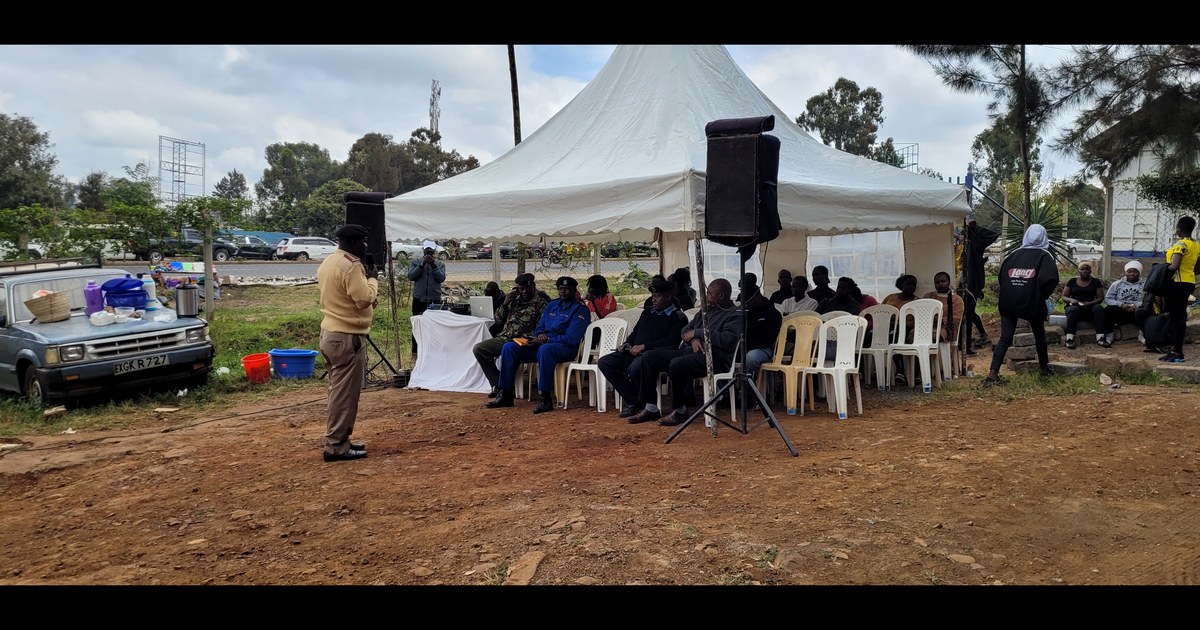
A community meeting has costs long before anyone takes a seat. Someone organises the venue, calls participants, prepares accessible information and keeps the records afterward. When funding covers only the visible activity, an organisation must find another way to pay for the work that makes it possible.
For a small community-based organisation (CBO), that gap can turn a promising project into a financial strain. A grant may support an event while leaving bookkeeping, connectivity and coordination unfunded. Short funding periods can also make it difficult to retain people or plan beyond the next application. These are risks to examine in each partnership, rather than assumptions about every Kenyan CBO.
What better support could look like
Funders should invite a realistic full-cost budget. Administration, safeguarding, staff time and learning belong in that conversation. A modest grant should not require an application and reporting system that costs more to operate than the assistance it provides.
Longer commitments, where feasible, could give organisations room to plan. Agreed payments made on time would reduce pressure to finance activities from personal funds. Flexible support should still have clear purposes, financial records and opportunities for communities to question decisions.
What a CBO can do now
Prepare two budgets: the direct cost of an activity and the organisational costs needed to deliver it responsibly. Explain the connection between them. Maintain a simple cash-flow forecast showing when money is expected and when payments are due. Do not treat an unsigned funding promise as available cash.
Diversifying support can help, but it should not mean asking already stretched residents to carry an organisation's entire budget. Consider appropriate local partnerships and in-kind contributions, recording their value without overstating them as cash income.
The first question for a prospective funder should be practical: does this partnership pay for the work it expects? A credible answer helps protect both the organisation and the community it serves.
Further reading: Elizaphan Ogechi's 2022 reflection on funding community-led organisations in Kenya argues for direct, flexible support and recognition of local assets. It is a practitioner's perspective, not a current national census of CBO finances.