
A useful dialogue creates a way to disagree responsibly and continue working together after the chairs have been put away.
Begin with behaviour, not labels
Discussions about religious tension can become harmful when a whole community is treated as responsible for an individual's behaviour. Facilitators can redirect the conversation toward a specific concern: what happened, what information is reliable and what change participants want to explore.
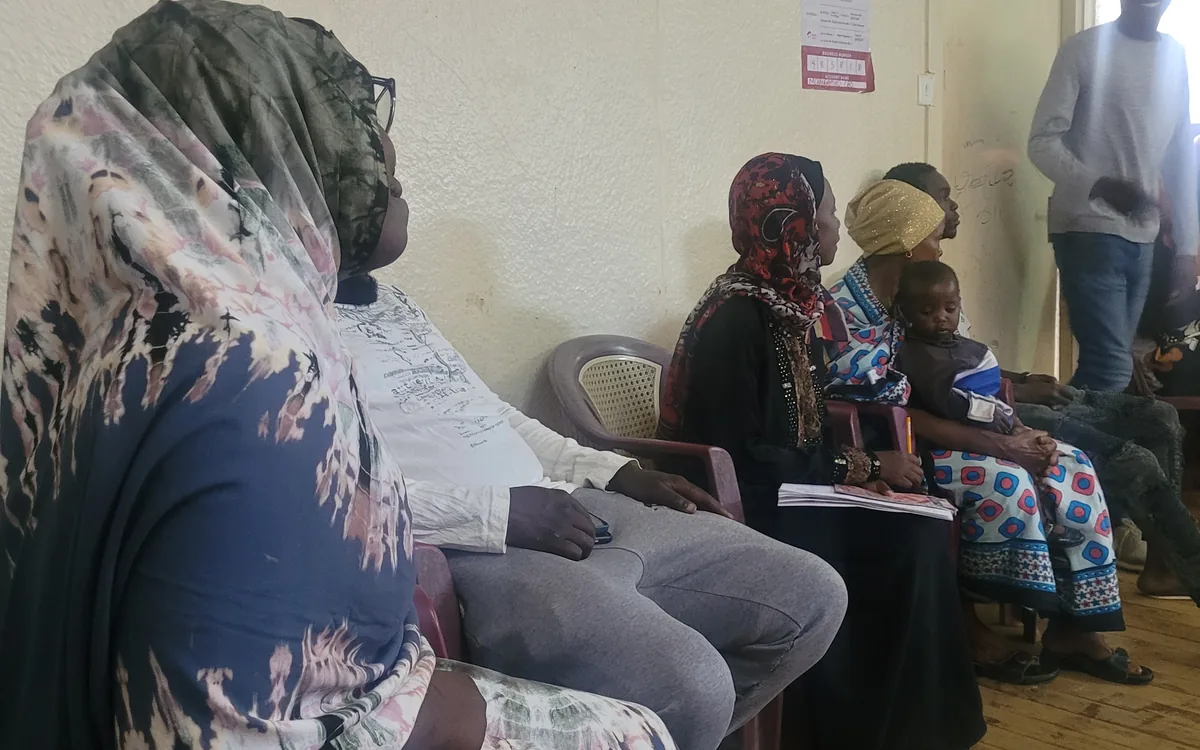
K-HAKI's September 2023 field story records a forum at Kibera Community Centre where participants discussed discrimination, stereotypes and exclusion. The published account describes proposals for collaboration and public education. It does not establish that every tension was resolved or every proposed action completed.
Create room for disagreement
Respectful dialogue does not require participants to pretend they agree. It needs clear expectations about listening, personal attacks and the difference between an experience and a claim about an entire group. Accessible language and balanced opportunities to speak help keep the discussion useful.
Organisers should also consider who is missing. An invitation circulated only through familiar leaders may overlook people with different experiences. Ask how participants were reached and what would make a future discussion easier to attend.
Treat follow-up as part of the forum
A positive atmosphere is a starting point. Turn proposals into a short record of what participants actually agreed, who will explore the next step and when an update can be shared. Record unresolved questions without presenting them as consensus.
Cooperation can begin with a modest, clearly defined activity rather than a sweeping promise of unity. Check the arrangement with the people expected to carry it out. Trust grows through repeated, accountable interaction: a question answered, an agreement respected and a concern heard without stereotyping the person who raised it.