
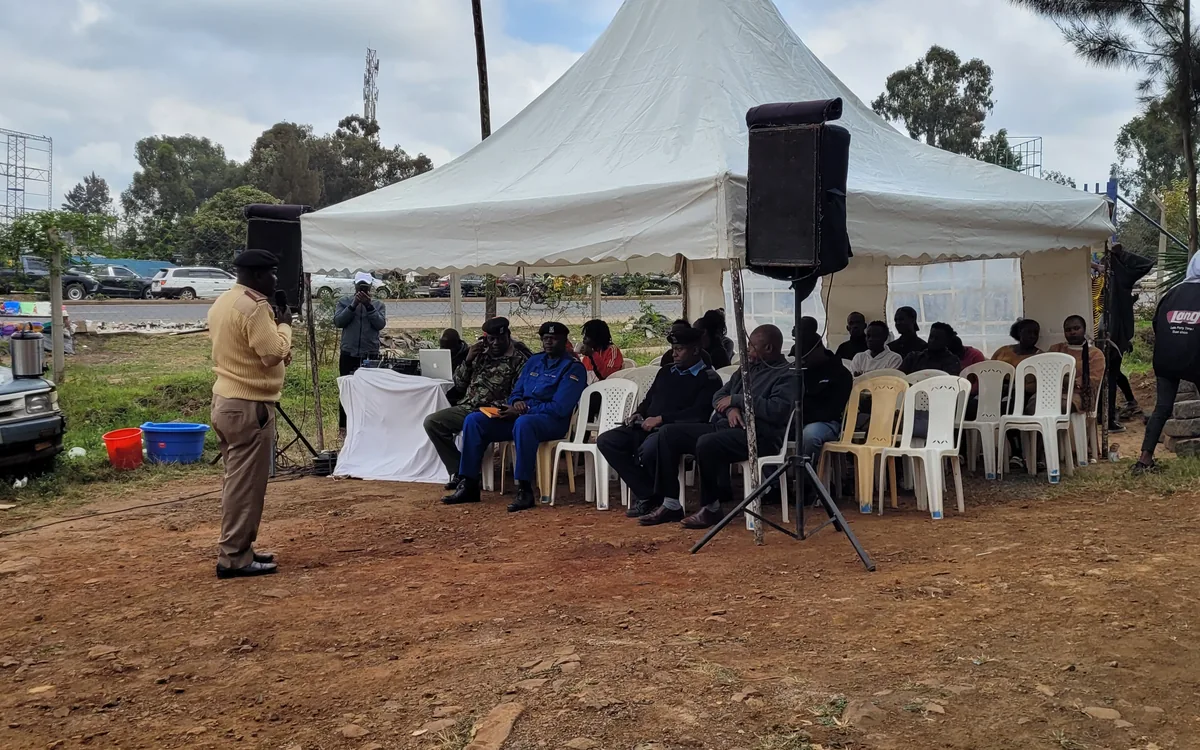
Counting young people in a room tells us less than understanding what they could influence before, during and after the discussion.
Start before the invitations
A meeting can attract a full room while leaving its most important decisions untouched. If the topic, format and final recommendation have already been settled, attendance alone offers little evidence of influence. Organisers should explain what is open to change and invite young people to help frame the questions.
K-HAKI's youth programme page describes participation as information, space to disagree and practical influence. It separates its existing record of debates, forums and radio discussions from developing work. That distinction matters: a programme ambition is not evidence that every proposed activity has already happened.
Make contribution possible
Participation depends on ordinary arrangements. Clear language, an understandable agenda and a suitable meeting time can matter as much as an invitation. Ask about access requirements rather than assuming that one format works for everyone.
Offer more than one way to contribute where feasible. Someone who does not speak in a large group may prefer a small discussion or a written question. Explain how notes will be used and do not publish a contribution with identifying details simply because it was shared in the room.
Close the loop
Afterward, tell participants what was proposed, which ideas were adopted and which were not. Explain who is responsible for the next action and when an update is realistic. Where no decision has been made, say so.
An honest review asks who shaped the agenda, what participants understood and whether the responsible institution responded. Those questions do not require an invented success story. They require follow-up. Meaningful youth participation becomes visible when people can trace a contribution to a decision, an explanation or a clearly recorded unresolved question.